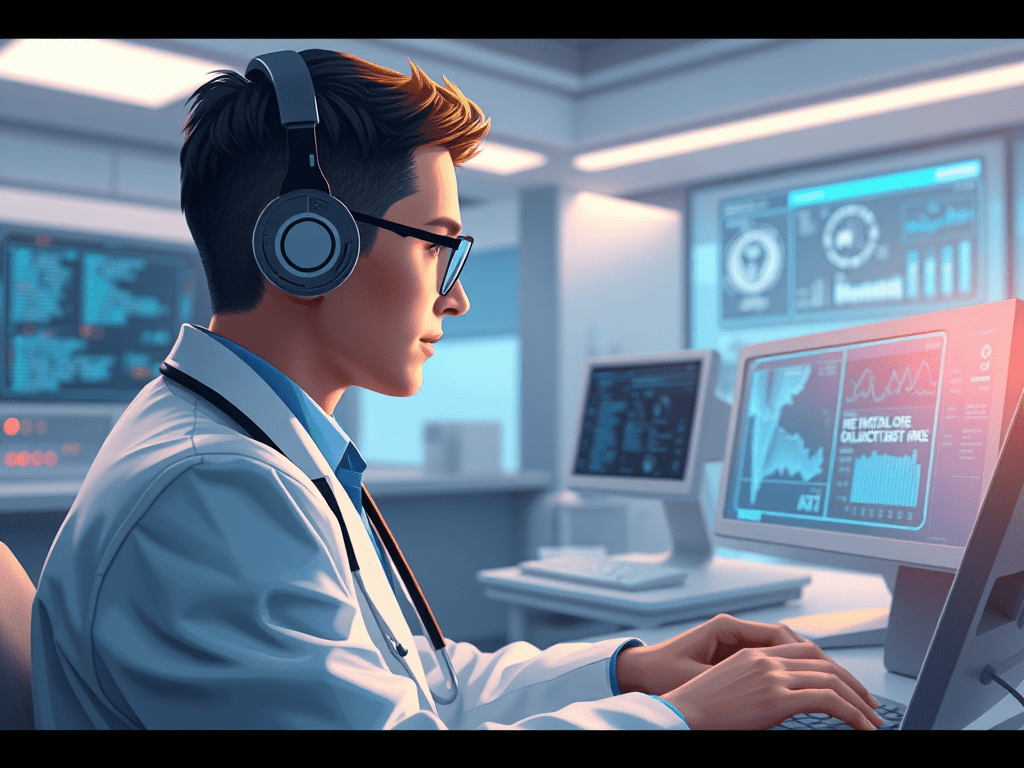
Imagine a world where AI doesn’t just assist doctors but actively saves lives, predicts diseases before symptoms appear, and personalizes treatment plans with pinpoint accuracy. This isn’t science fiction—it’s happening right now. AI is silently revolutionizing healthcare, not with flashy robots, but through intelligent algorithms working behind the scenes. Here’s how AI is making waves in the medical field in ways you might not have imagined.
1. AI as the Ultimate Disease Detective
Gone are the days when diagnosis relied solely on intuition and experience. AI-powered tools analyze thousands of patient records, medical images, and research papers in seconds, identifying patterns humans might miss. Take cancer detection, for example—AI models can detect tumors in radiology scans with accuracy comparable to or even exceeding human radiologists, reducing missed diagnoses and enabling early intervention.

2. Your Digital Doctor, Available 24/7
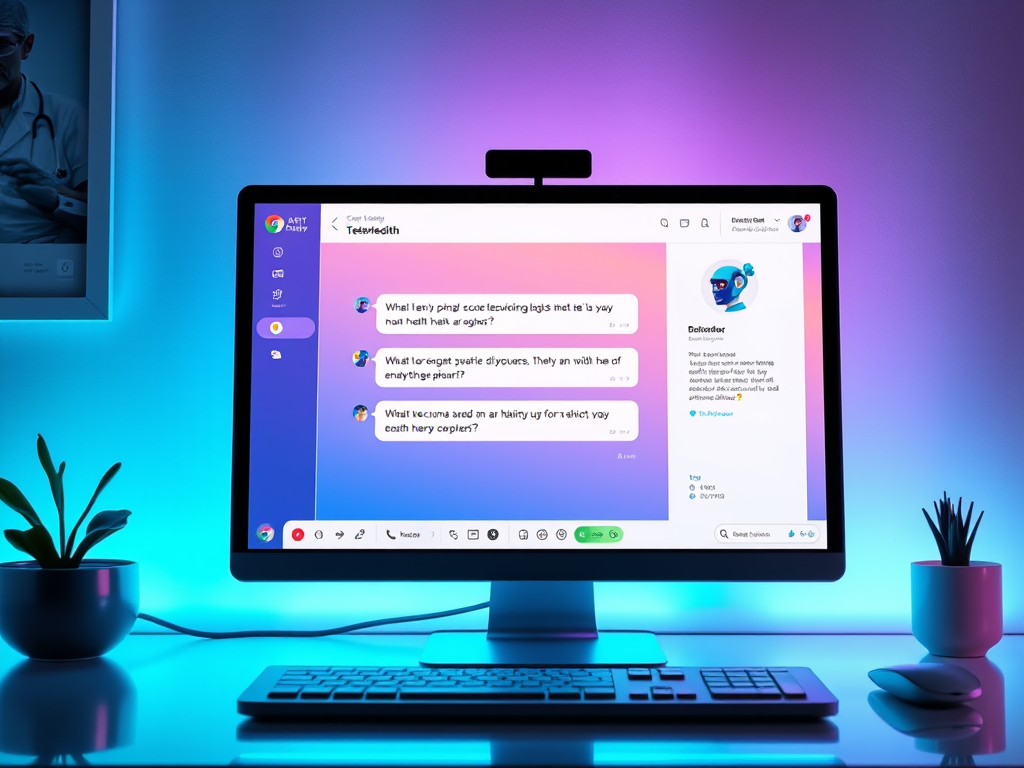
Telemedicine is no longer just about video calls with doctors. AI-powered virtual assistants and chatbots now provide preliminary diagnoses, answer health-related questions, and even remind patients to take their medications. Instead of Googling symptoms and spiraling into worst-case scenarios, AI-based symptom checkers can provide data-driven insights, steering patients toward the right course of action.
3. Personalized Medicine: Because One-Size-Fits-All Doesn’t Work
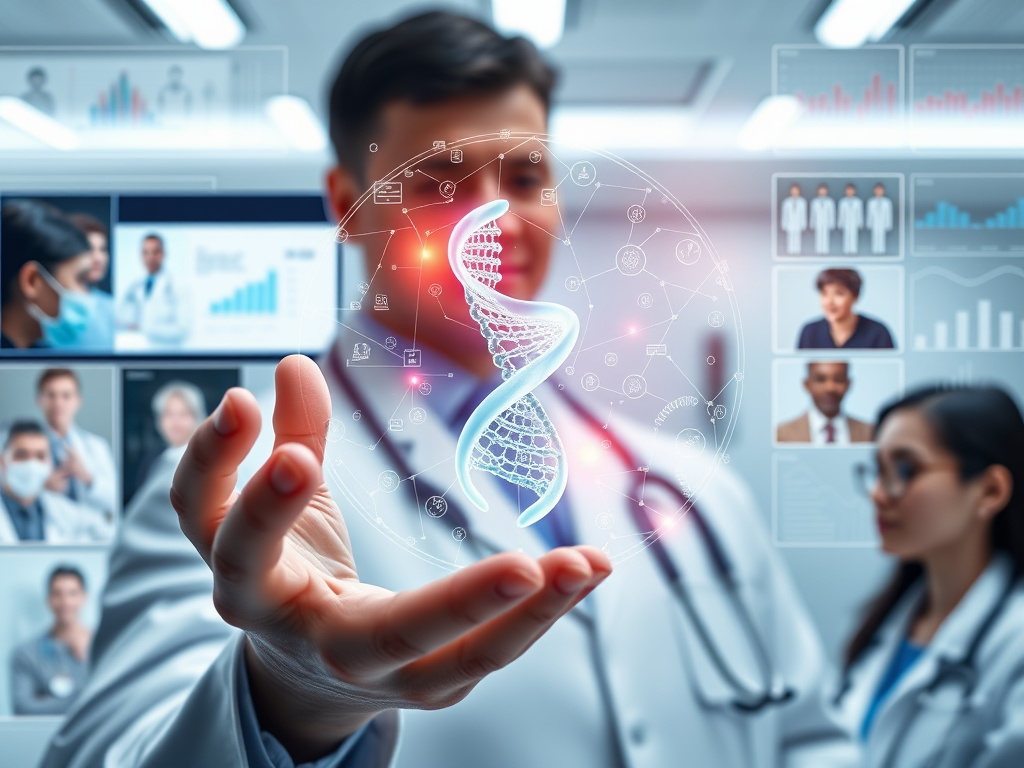
Traditional medicine often treats patients based on population-wide studies. But AI-driven precision medicine is changing that narrative. By analyzing genetic data, lifestyle factors, and medical history, AI can predict which treatments will work best for each individual. This means a cancer patient no longer has to endure a trial-and-error approach to chemotherapy—AI can suggest the most effective treatment from the start.
4. Predicting Diseases Before They Strike
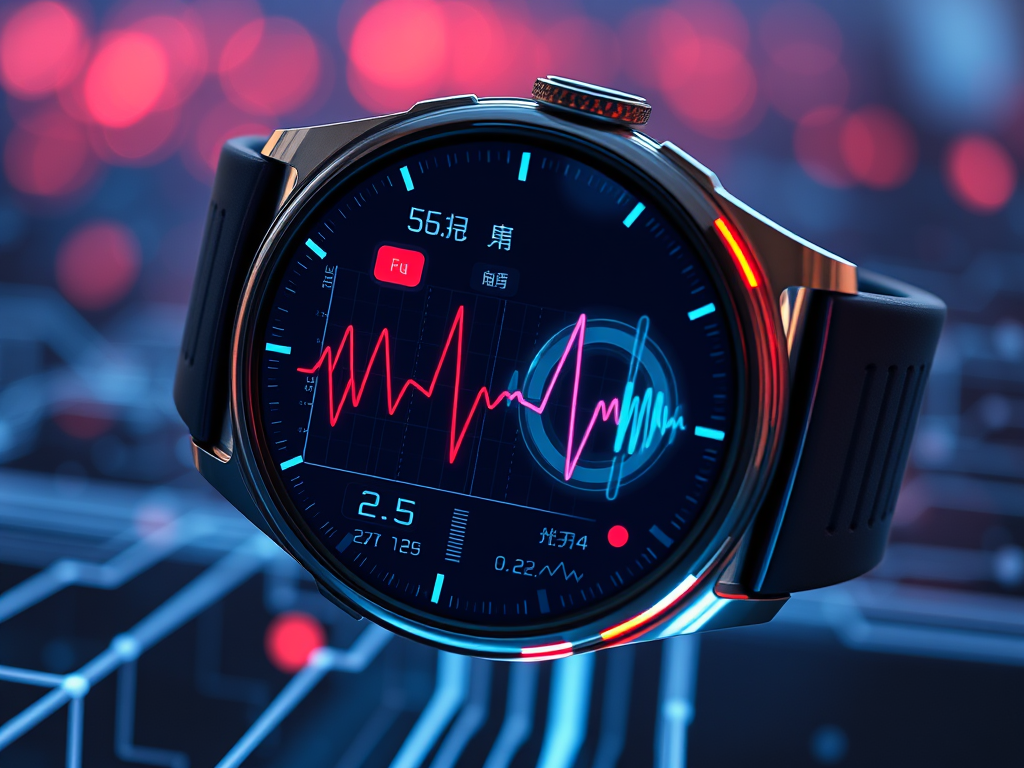
What if your smartwatch could warn you of a potential heart attack days before it happens? AI models, trained on vast datasets of heart rate patterns and physiological signals, are already predicting cardiovascular diseases with remarkable accuracy. Similarly, AI can detect early signs of conditions like Alzheimer’s and Parkinson’s years before traditional diagnostics can, offering patients a chance at early intervention and better outcomes.
5. AI-Powered Drug Discovery: The Fast-Track to New Cures
The traditional process of drug discovery takes years and billions of dollars. AI is turning this upside down by analyzing molecular structures and predicting which compounds could be effective against diseases—at a fraction of the time and cost. During the COVID-19 pandemic, AI models helped researchers identify potential treatments in record time, proving that AI could be the key to accelerating medical breakthroughs.

6. Hospital Efficiency: AI Behind the Scenes
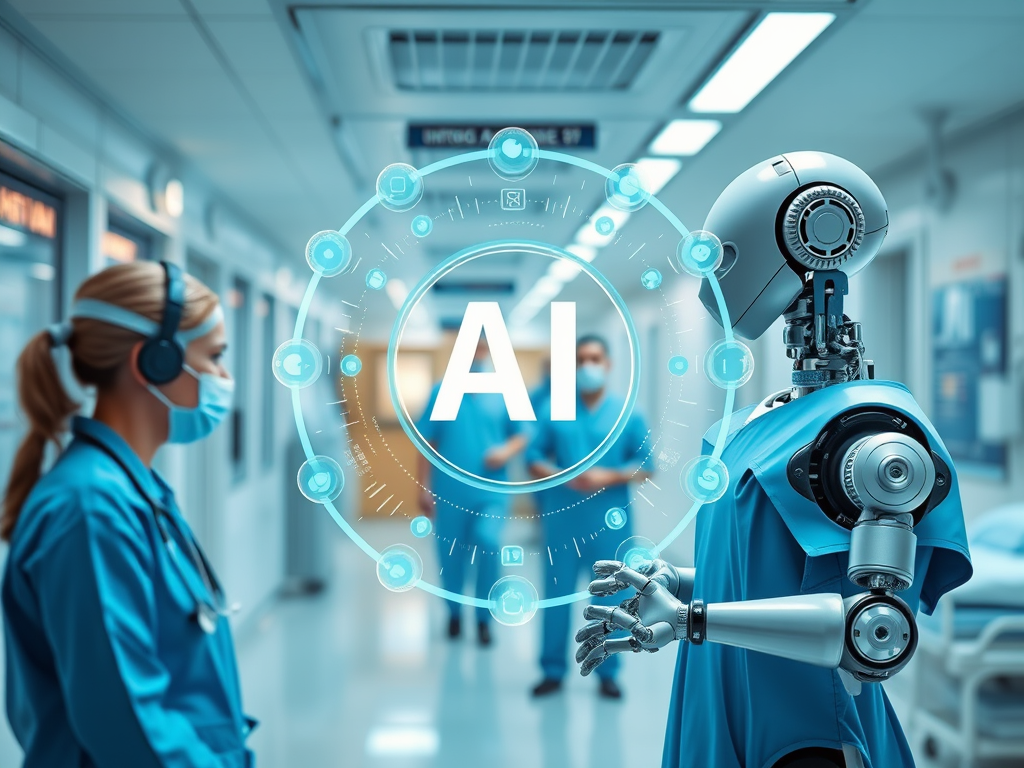
Beyond direct patient care, AI is transforming hospital operations. Intelligent scheduling systems optimize doctor appointments, AI-driven robotic process automation speeds up administrative tasks, and predictive analytics help manage hospital resources more efficiently. This means shorter waiting times, better resource allocation, and less burnout for healthcare professionals.
7. AI and Mental Health: The Invisible Support System
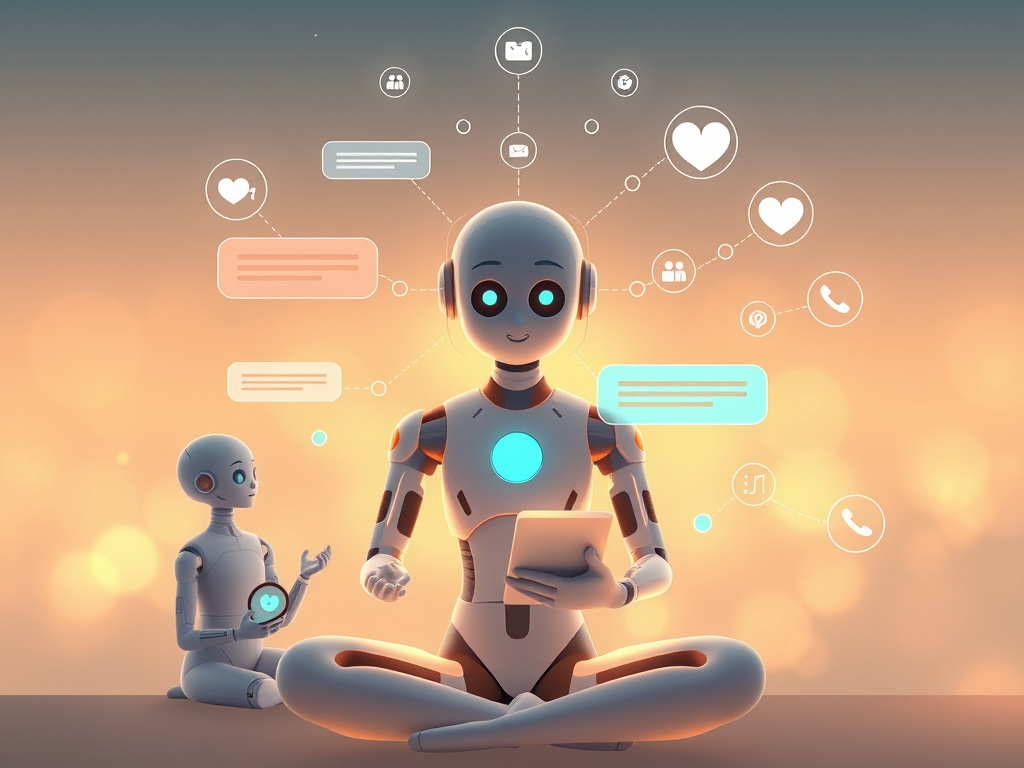
Mental health support is often inaccessible or stigmatized. AI-driven chatbots and apps now provide round-the-clock emotional support, guided meditation, and even detect early signs of depression or anxiety through text analysis and voice tone recognition. While AI can’t replace human therapists, it can provide critical support and encourage individuals to seek help when needed.
The Future: Where AI and Medicine Collide
AI in healthcare isn’t about replacing doctors—it’s about empowering them. It’s about catching diseases early, making treatments smarter, and ensuring healthcare reaches every corner of the world. As AI continues to evolve, we’re not just looking at better diagnostics or faster drug discoveries—we’re witnessing a future where healthcare is truly personalized, predictive, and proactive.
This silent revolution is already here. The question isn’t whether AI will change healthcare—it’s how quickly we’re willing to embrace it.
 Utkan Menteş