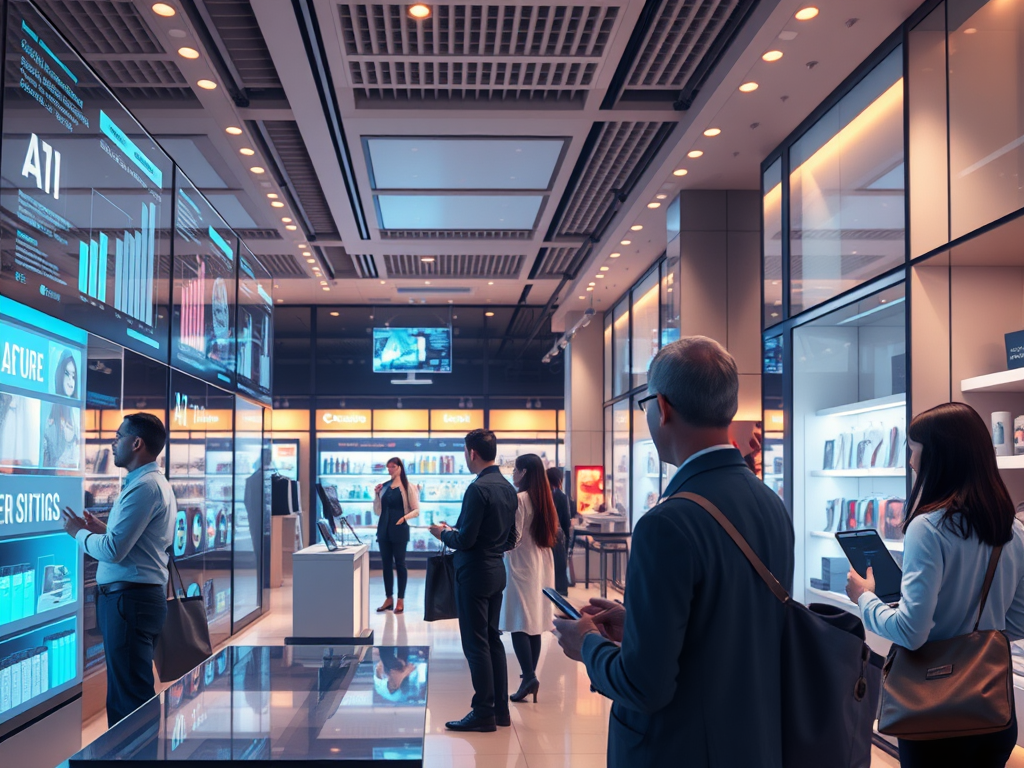
Artificial Intelligence (AI) is revolutionizing the retail industry by enhancing customer experiences, optimizing operations, and driving business growth. From personalized recommendations to supply chain management, AI is transforming how retailers interact with consumers and manage their businesses. This article explores key AI applications in the retail sector and their impact on the industry.
1. Personalized Shopping Experiences
AI-powered recommendation engines analyze customer behavior, purchase history, and preferences to deliver highly personalized product suggestions. Retailers like Amazon and Netflix use AI to enhance customer engagement by providing tailored recommendations that increase conversion rates and sales.
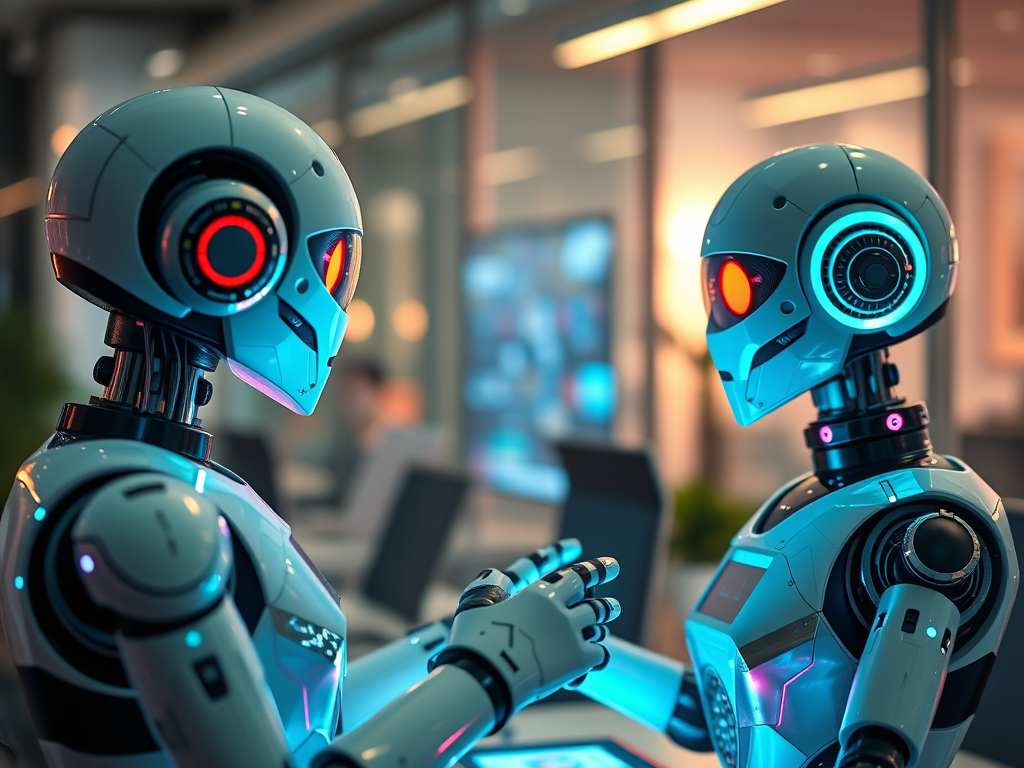
2. AI-Driven Chatbots and Virtual Assistants
Retailers are leveraging AI-powered chatbots to provide instant customer support, answer queries, and guide users through their shopping journey. These virtual assistants improve customer satisfaction by offering 24/7 support, handling returns, and providing product recommendations based on natural language processing (NLP).
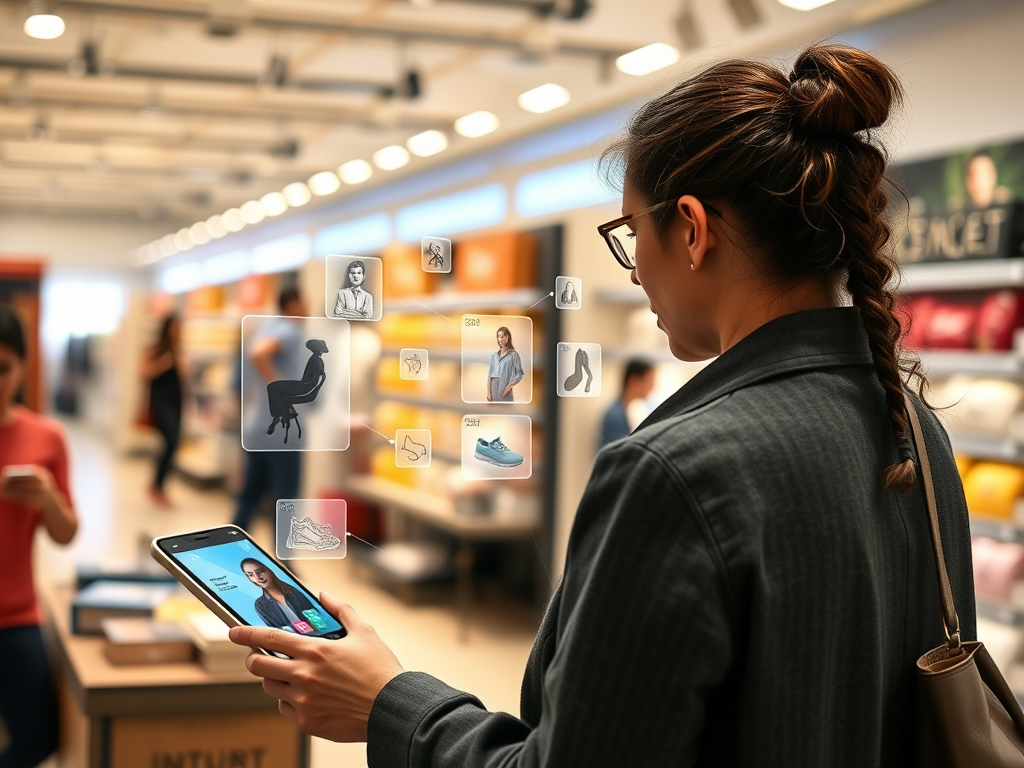
3. Visual Search and Image Recognition
AI enables visual search capabilities, allowing customers to search for products using images instead of text. Retailers integrate AI-driven image recognition into their mobile apps, enabling shoppers to find similar products by uploading photos or scanning barcodes, improving the overall shopping experience.
4. Inventory Management and Demand Forecasting
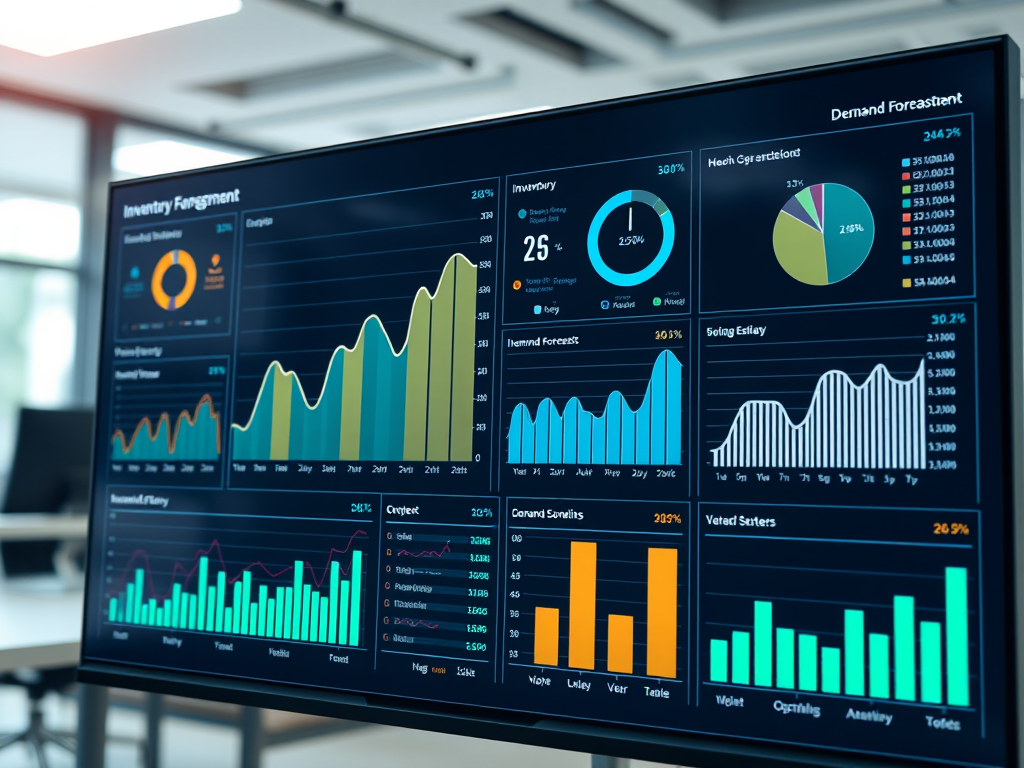
AI enhances inventory management by predicting demand trends and automating restocking processes. Machine learning algorithms analyze historical sales data, seasonal trends, and external factors to optimize stock levels, reducing overstock and stockouts while improving supply chain efficiency.
5. Automated Checkout and Cashier-Less Stores
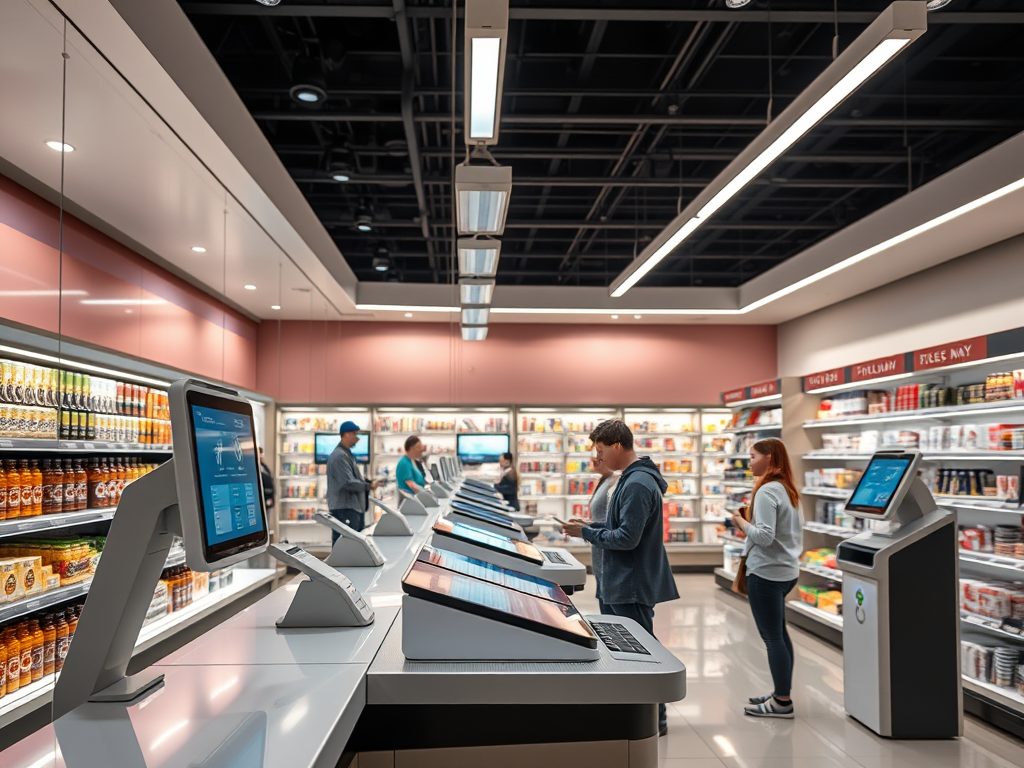
Retailers are adopting AI-powered cashier-less stores, such as Amazon Go, where computer vision and sensor fusion technology enable automated checkout. Customers can pick up items and leave the store without waiting in line, as AI-powered systems track their selections and process payments seamlessly.
6. Fraud Detection and Security Enhancement
AI improves security in retail by detecting fraudulent transactions and preventing payment fraud. Machine learning algorithms analyze transaction patterns to identify suspicious activities, reducing the risk of fraud in online and physical stores.

7. AI in Pricing Optimization
AI-driven dynamic pricing strategies help retailers adjust prices in real-time based on factors such as demand, competitor pricing, and inventory levels. Retailers use AI to maximize revenue and maintain competitive pricing, ensuring optimal pricing strategies for different market conditions.
8. Supply Chain and Logistics Optimization
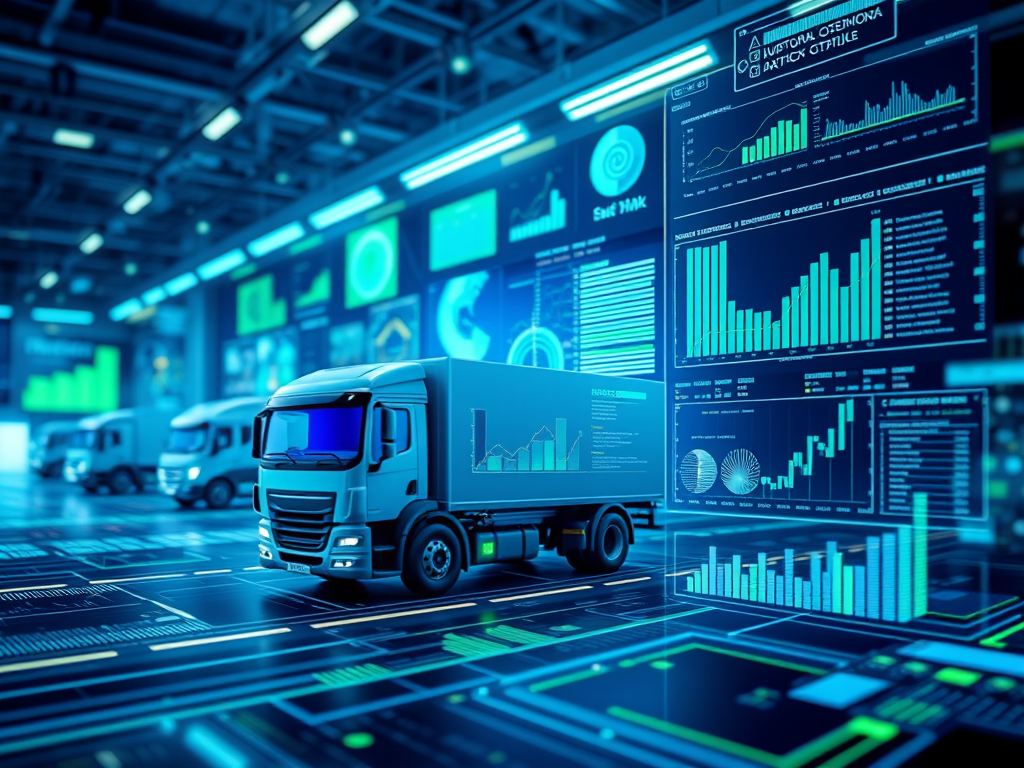
AI enhances supply chain management by improving route optimization, warehouse automation, and delivery logistics. Retailers use AI-powered predictive analytics to streamline transportation, reduce shipping costs, and ensure timely deliveries, leading to better customer satisfaction.
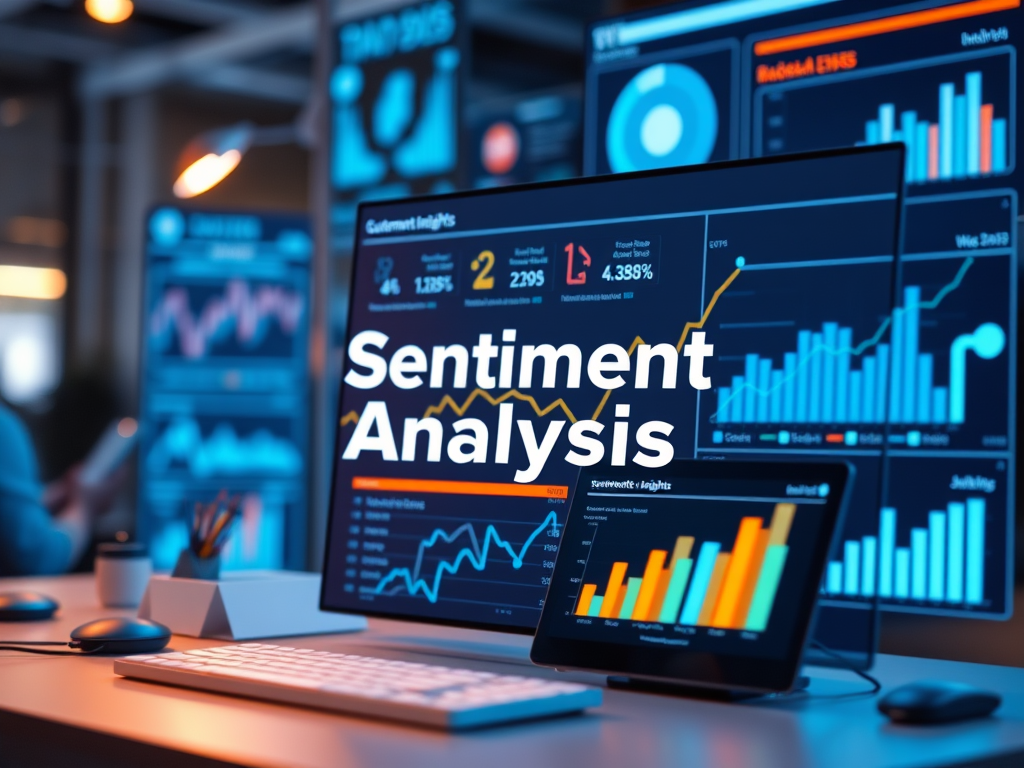
9. Sentiment Analysis for Customer Insights
AI-driven sentiment analysis tools analyze social media posts, product reviews, and customer feedback to understand consumer sentiment and preferences. Retailers use these insights to refine marketing strategies, improve products, and enhance customer engagement.
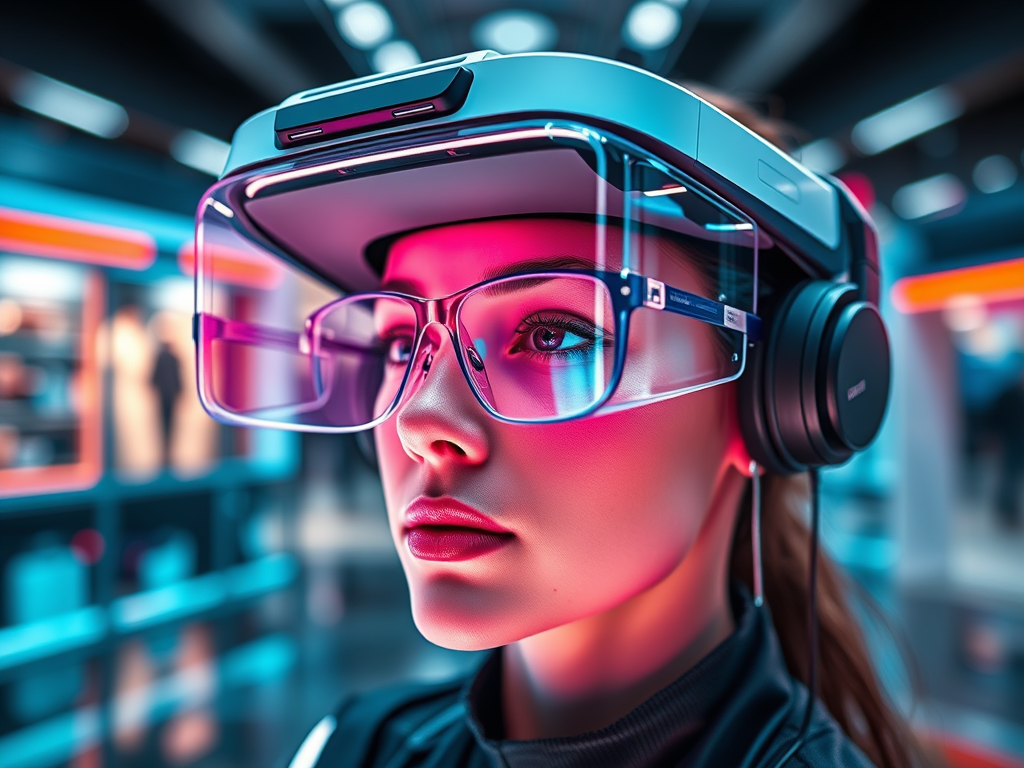
10. Augmented Reality (AR) and Virtual Try-On
AI-powered AR applications allow customers to try on clothing, accessories, and makeup virtually before making a purchase. Retailers such as Sephora and IKEA leverage AR to enhance the shopping experience, reducing return rates and increasing customer confidence in their purchases.
Conclusion
AI is transforming the retail industry by improving customer experiences, streamlining operations, and optimizing decision-making. From personalized recommendations to AI-driven supply chain management, retailers leveraging AI technologies gain a competitive advantage in today’s fast-evolving market.
As AI continues to evolve, its role in retail will expand, driving innovation and reshaping the future of shopping. Retailers that embrace AI will not only enhance customer satisfaction but also improve efficiency, reduce costs, and increase profitability in an increasingly competitive landscape.
 Utkan Menteş