
Artificial Intelligence (AI) is revolutionizing the e-commerce industry, enhancing customer experiences, streamlining operations, and driving sales growth. From personalized recommendations to automated customer service, AI-powered solutions are helping online retailers optimize their businesses. This article explores key AI applications in e-commerce and their impact on the industry.
1. Personalized Product Recommendations
AI-driven recommendation engines analyze customer browsing history, past purchases, and preferences to suggest relevant products. E-commerce giants like Amazon and Alibaba leverage machine learning to provide tailored recommendations, increasing conversion rates and customer satisfaction.

2. AI-Powered Chatbots and Virtual Assistants
AI chatbots and virtual assistants improve customer service by providing instant responses, assisting with order tracking, and answering FAQs. These AI-powered tools use Natural Language Processing (NLP) to enhance user interactions, reducing the need for human intervention and improving response times.

3. Visual Search and Image Recognition
AI enables customers to search for products using images instead of text. E-commerce platforms integrate visual search features, allowing users to upload photos and find similar products, enhancing the shopping experience and reducing search friction.
4. Dynamic Pricing and AI-Driven Discounts
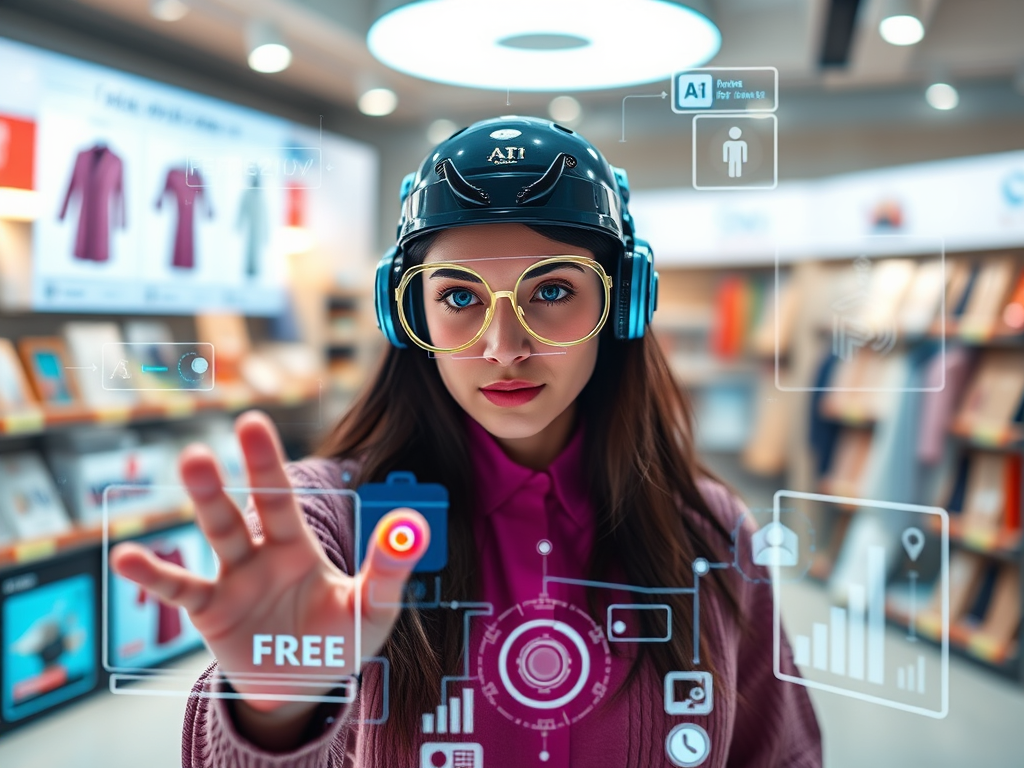
AI-powered pricing algorithms analyze market trends, competitor prices, and demand patterns to optimize pricing strategies. Dynamic pricing models enable retailers to adjust prices in real-time, maximizing revenue and competitiveness.
5. Fraud Detection and Prevention
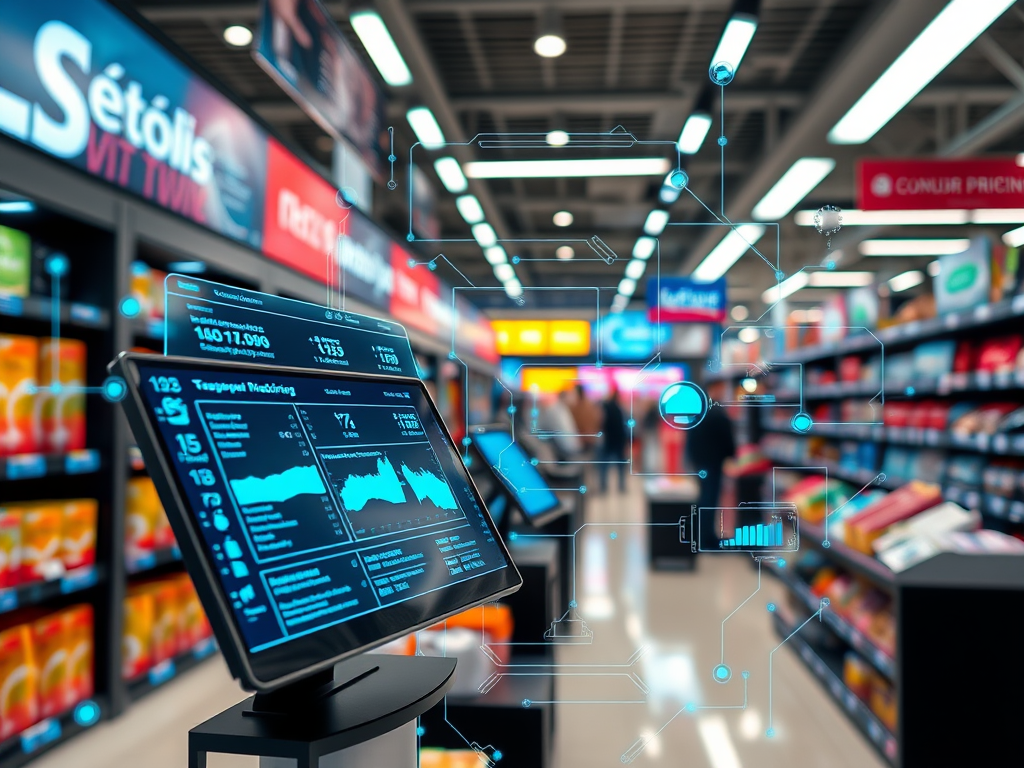
AI enhances security by detecting fraudulent transactions and suspicious activities. Machine learning models analyze transaction patterns to identify anomalies, helping e-commerce platforms prevent payment fraud and protect customer data.

6. Inventory and Supply Chain Optimization
AI-driven predictive analytics help retailers optimize inventory management by forecasting demand and automating restocking processes. AI also improves logistics and warehouse management by optimizing delivery routes and reducing shipping costs.

7. AI-Powered Content Generation
E-commerce platforms use AI to generate product descriptions, reviews, and marketing content. Natural Language Generation (NLG) tools automate content creation, enhancing product listings and improving SEO rankings.

8. Sentiment Analysis for Customer Insights
AI-driven sentiment analysis tools analyze customer reviews, social media posts, and feedback to assess brand perception. E-commerce businesses use these insights to improve products, enhance customer satisfaction, and refine marketing strategies.

9. Voice Search and Conversational Commerce
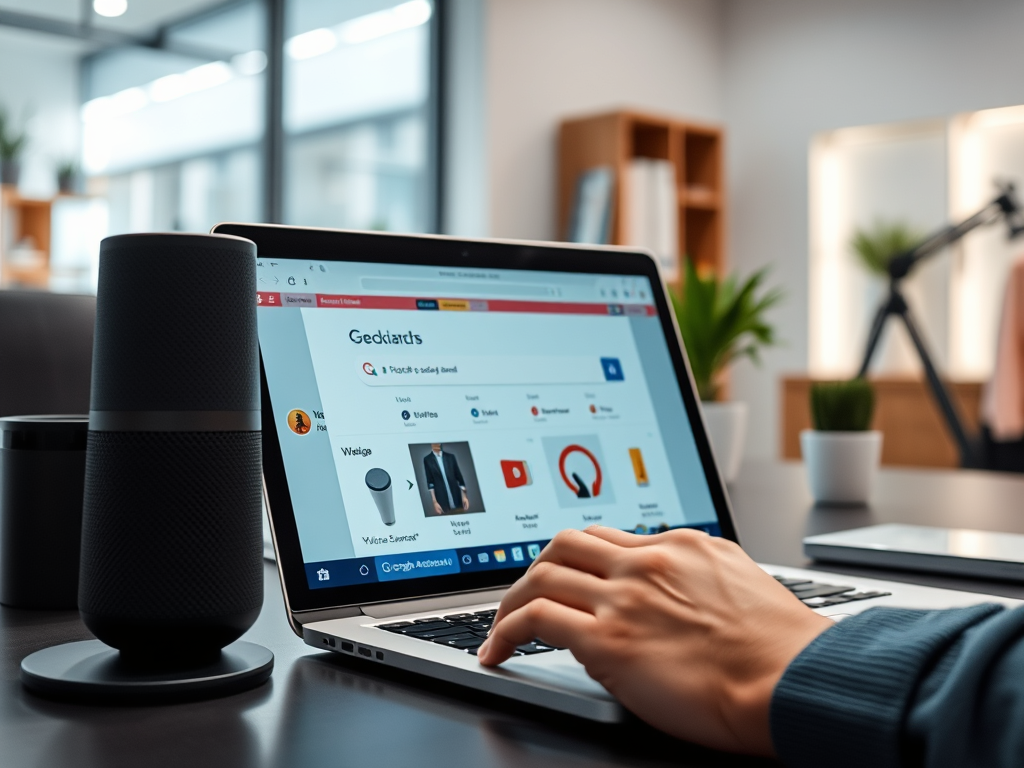
With the rise of voice assistants like Alexa and Google Assistant, AI-powered voice search is becoming a critical e-commerce feature. Retailers optimize their platforms for voice-based shopping, making it easier for customers to find and purchase products through voice commands.
10. Augmented Reality (AR) for Virtual Try-On
AI-powered AR applications enable customers to visualize products in real-world environments before purchasing. E-commerce retailers use AR for virtual try-ons in fashion, cosmetics, and home decor, reducing return rates and increasing buyer confidence.

Conclusion
AI is transforming the e-commerce industry by enhancing customer experiences, optimizing pricing strategies, improving security, and streamlining operations. Businesses that integrate AI-powered solutions gain a competitive advantage by offering personalized shopping experiences, efficient logistics, and data-driven decision-making.
As AI technology continues to advance, e-commerce businesses must adapt to stay ahead of industry trends and meet evolving customer expectations. The future of online shopping is AI-driven, and companies that embrace this transformation will thrive in the digital economy.
 Utkan Menteş