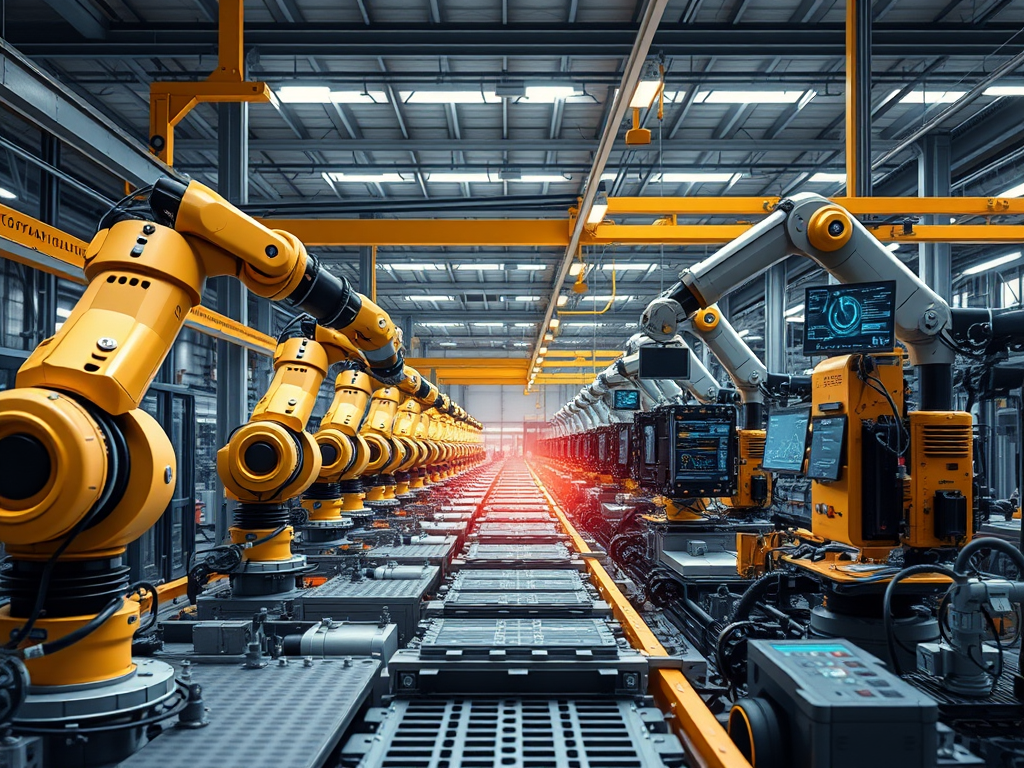
The manufacturing industry has undergone significant transformations with the integration of artificial intelligence (AI). From improving efficiency to reducing costs and enhancing product quality, AI-driven solutions are reshaping the future of manufacturing. In this blog post, we explore key AI applications that are revolutionizing the sector.
1. Predictive Maintenance
One of the most impactful AI applications in manufacturing is predictive maintenance. Traditional maintenance schedules often lead to unnecessary downtime or unexpected failures. AI-driven predictive maintenance uses sensor data, IoT devices, and machine learning algorithms to detect anomalies and predict potential breakdowns before they occur. This reduces downtime, extends equipment lifespan, and lowers maintenance costs.
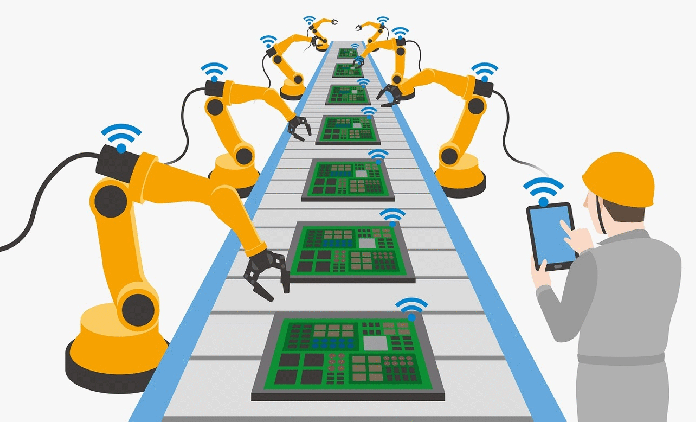
Based on my experience, predictive maintenance has one of the greatest potentials in terms of financial impact. However, in practice, incomplete or unstructured data, irregular data collection processes, or an uncooperative production team may reduce the chances of success.
2. Quality Control and Defect Detection
AI-powered computer vision systems are transforming quality control in manufacturing. By using deep learning algorithms and high-resolution cameras, AI can detect defects and inconsistencies in products with higher accuracy than human inspectors. This ensures consistent product quality, reduces waste, and enhances customer satisfaction.
This type of solution requires a distributed processing infrastructure, hardware, network, and communication protocols such as IoT or Edge, which can increase the overall budget of the solution.
3. Supply Chain Optimization
AI is playing a crucial role in optimizing supply chain operations. AI-driven analytics help manufacturers predict demand fluctuations, optimize inventory levels, and streamline logistics. With AI-powered demand forecasting, companies can reduce excess stock and prevent shortages, leading to cost savings and increased efficiency.
4. Smart Manufacturing and Automation
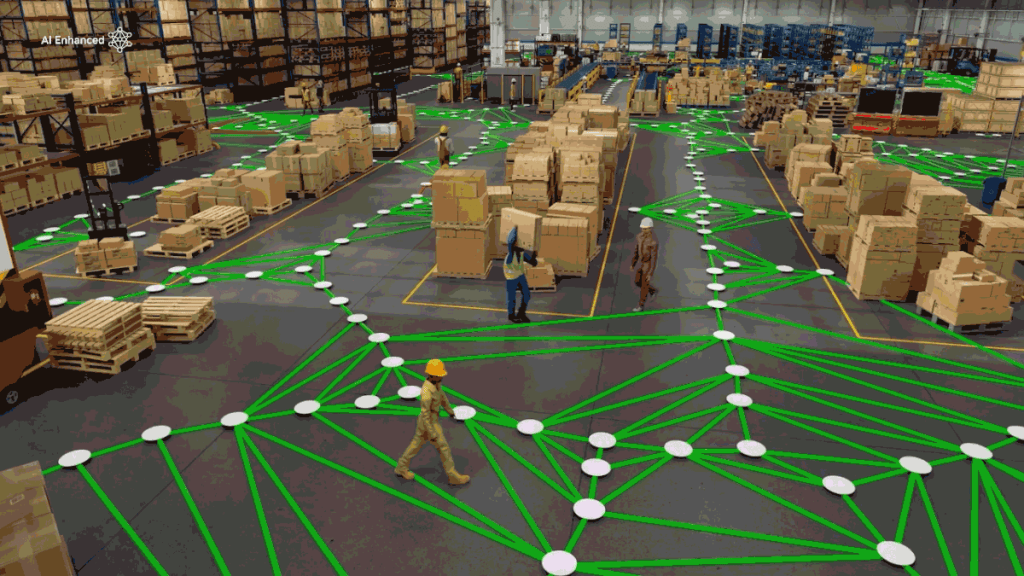
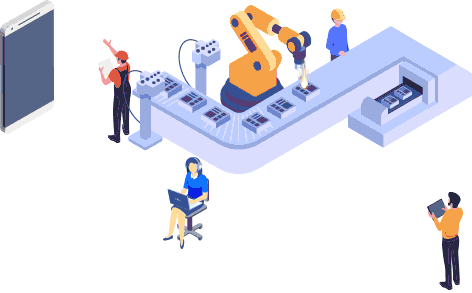
AI is driving the concept of smart factories, where machines, robots, and systems communicate and make autonomous decisions. AI-powered robots can handle repetitive tasks with precision, improving productivity and reducing human errors. Automated guided vehicles (AGVs) and collaborative robots (cobots) are enhancing operational efficiency and worker safety in production facilities.
5. Energy Efficiency and Sustainability
Manufacturers are leveraging AI to optimize energy consumption and reduce environmental impact. AI-driven energy management systems analyze energy usage patterns and suggest strategies to minimize waste. By optimizing energy consumption, manufacturers can reduce costs and contribute to sustainability initiatives.
6. AI-Powered Process Optimization
AI algorithms analyze vast amounts of production data to identify inefficiencies and suggest process improvements. By continuously monitoring and adjusting variables such as temperature, pressure, and machine speed, AI can optimize production processes in real time, ensuring higher efficiency and lower material waste.
7. Human-Robot Collaboration
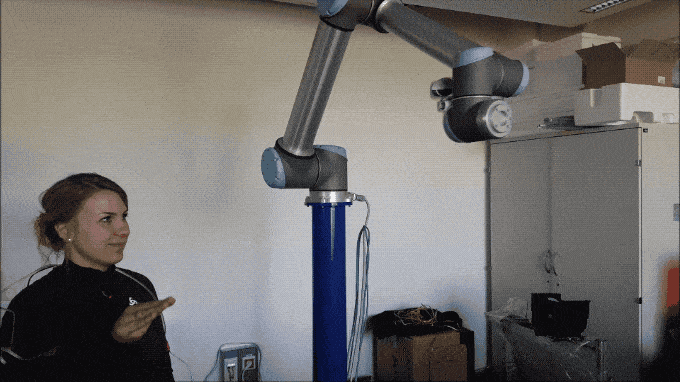
AI is enhancing human-robot collaboration in manufacturing. Cobots work alongside human workers, assisting them in tasks that require precision and strength. These AI-powered robots improve workplace safety by handling dangerous or strenuous activities while allowing workers to focus on more complex tasks.
Conclusion
Artificial intelligence is revolutionizing the manufacturing industry by improving efficiency, reducing costs, and enhancing product quality. As AI technology continues to evolve, its applications in manufacturing will expand, creating smarter, more agile, and more sustainable production environments. Companies that embrace AI-driven solutions will gain a competitive edge in the ever-changing manufacturing landscape.
By implementing AI in their operations, manufacturers can unlock new levels of productivity, innovation, and sustainability. The future of manufacturing is AI-powered—are you ready to embrace the change?
 Utkan Menteş